
 Default
 Best Selling
 Alphabetically Asc (A -> Z)
 Alphabetically Dsc (Z -> A)
 Price: Low to High
 Price: High to Low
 Date: Old to New
 Date: New to Old
Color
Product Types
Rooms
Styles
Brands




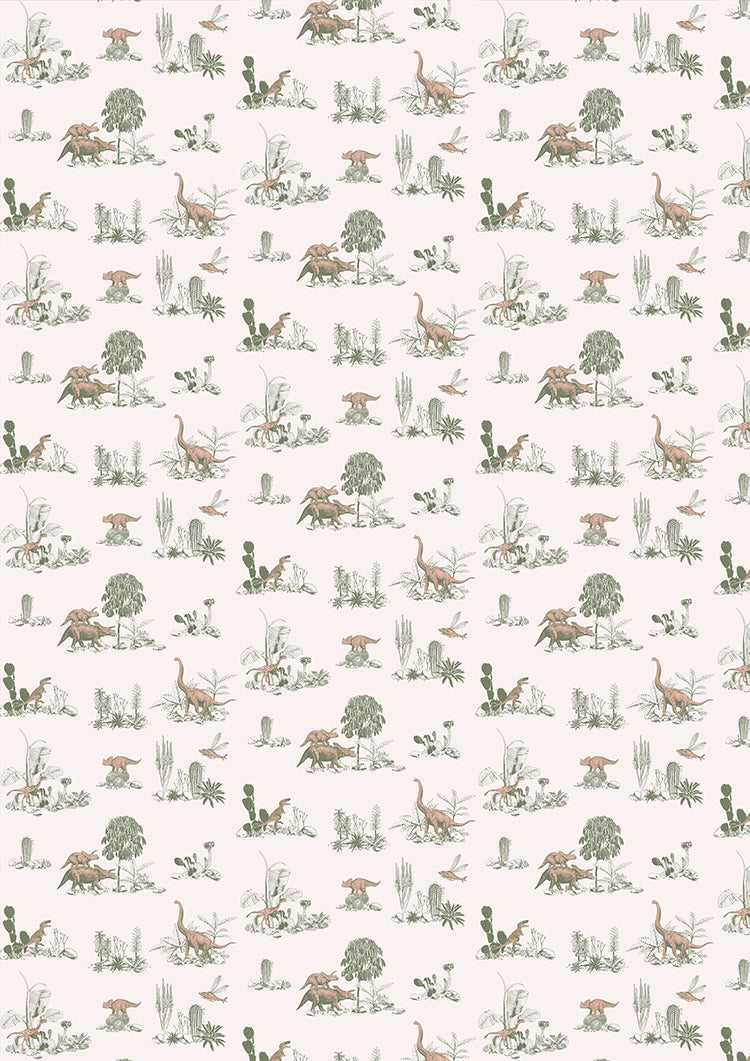
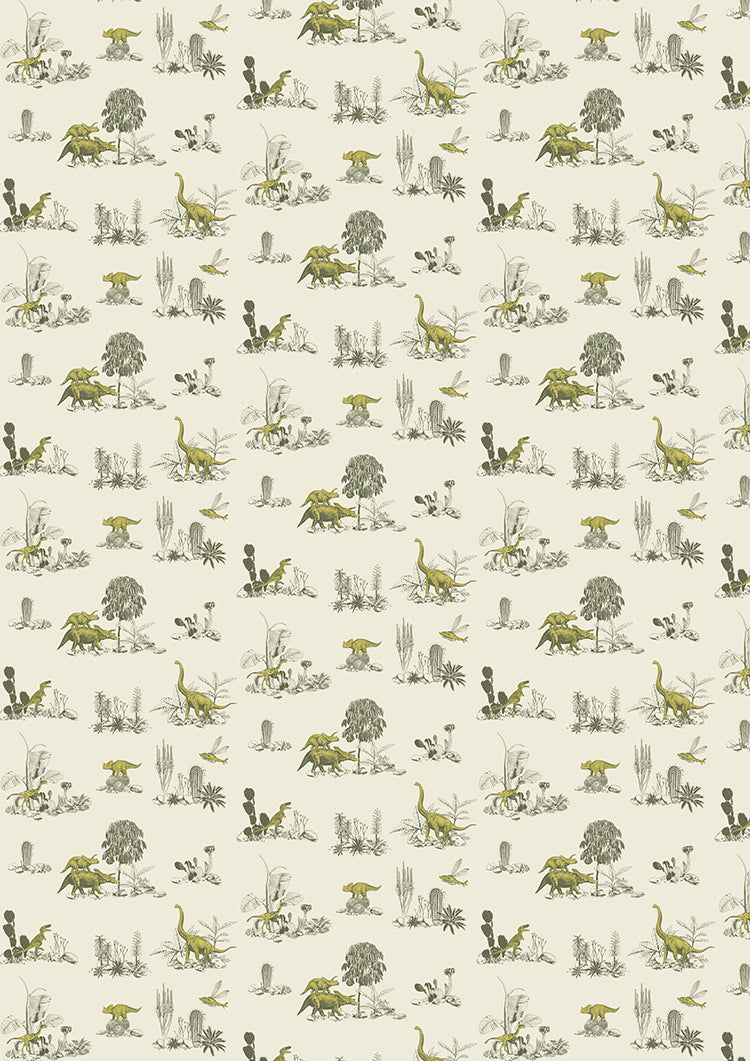
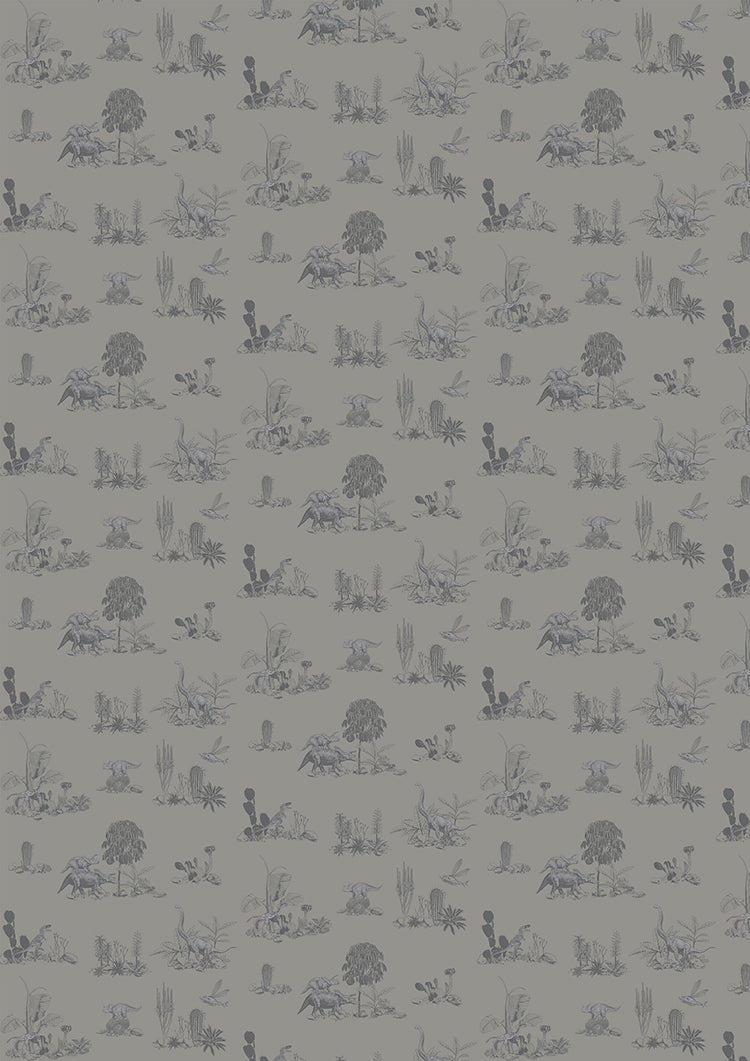
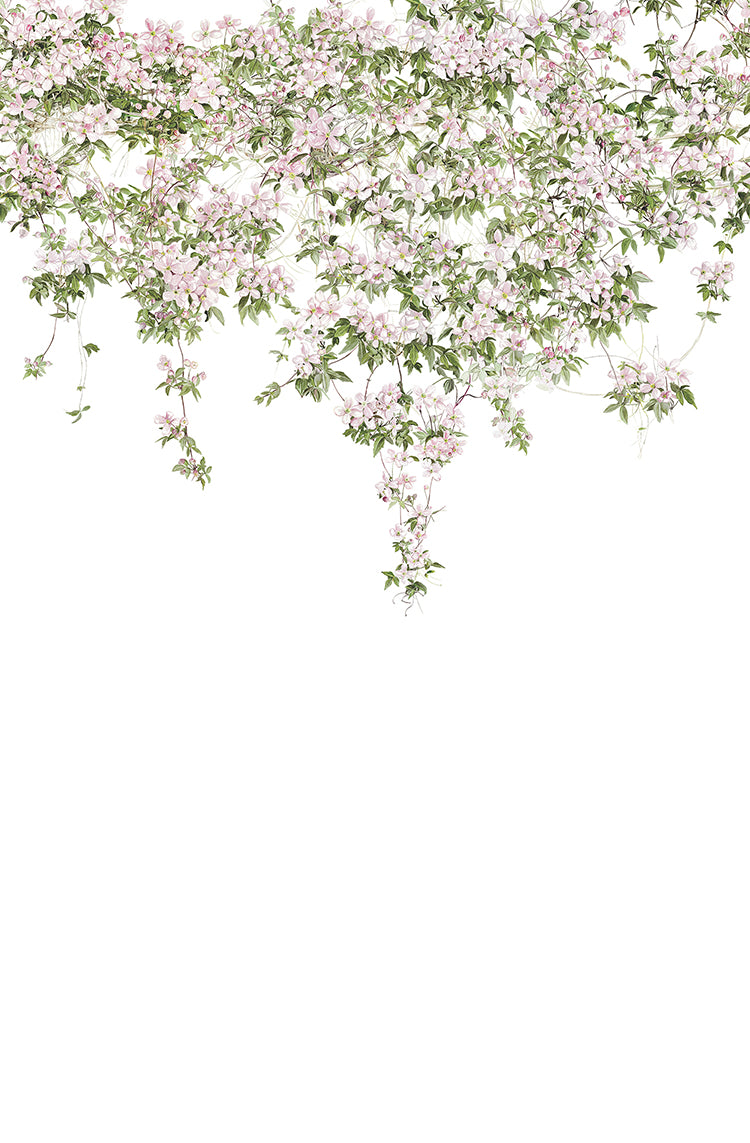
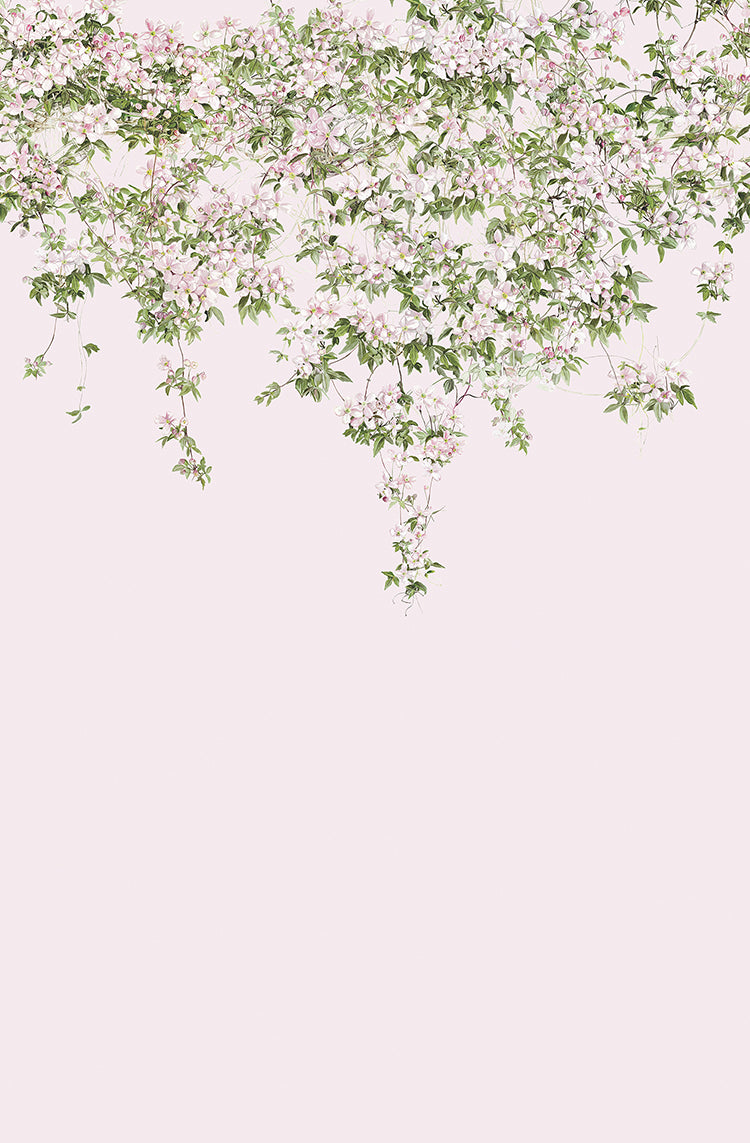
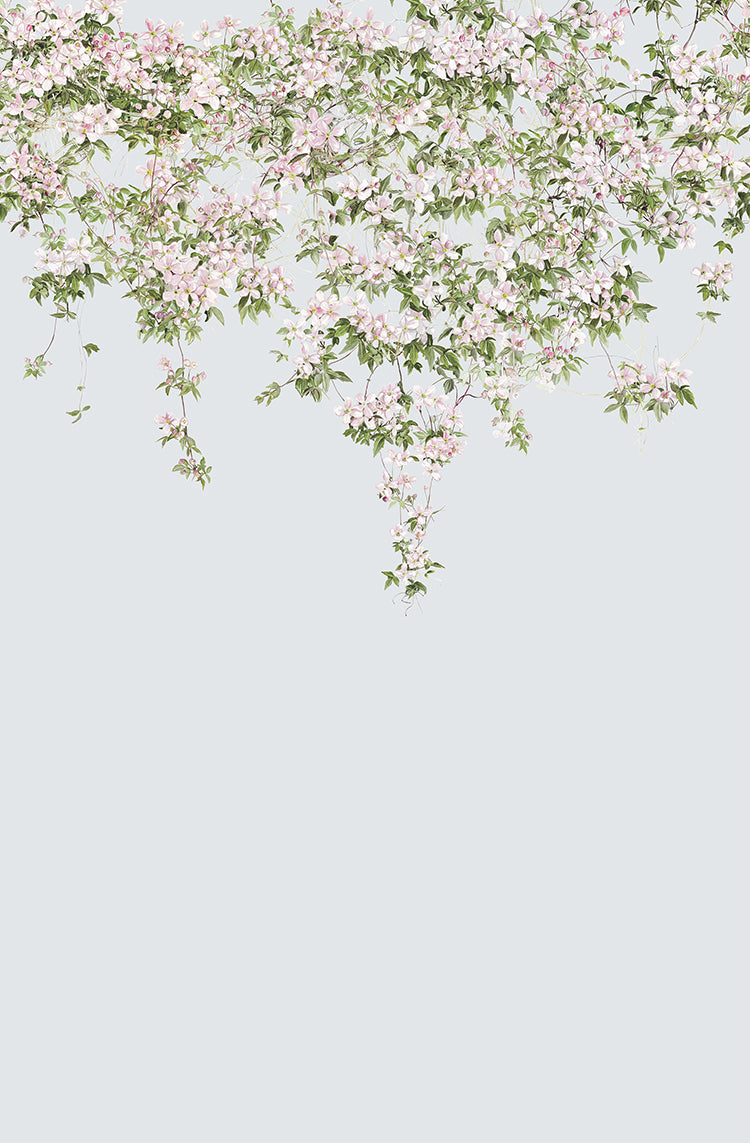
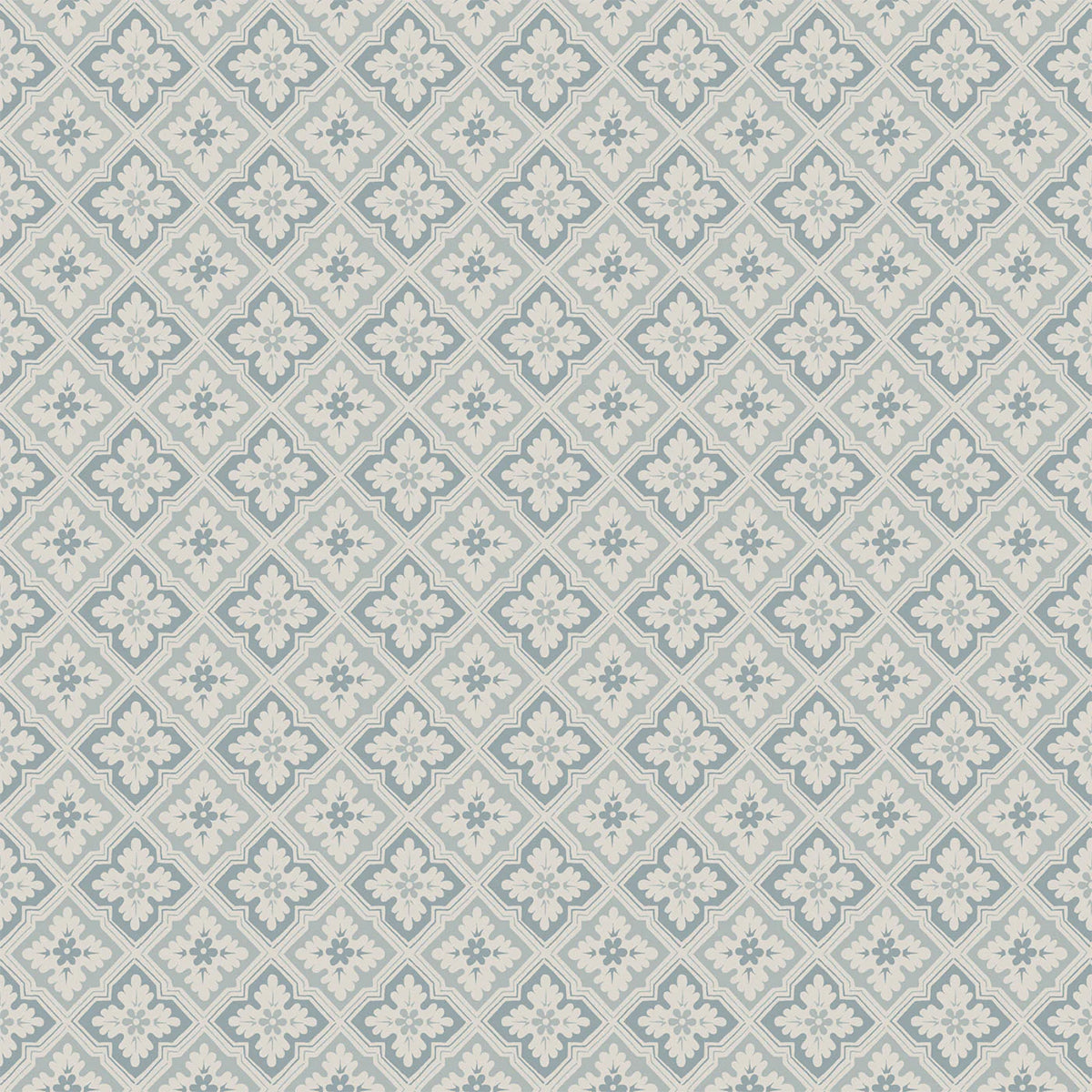
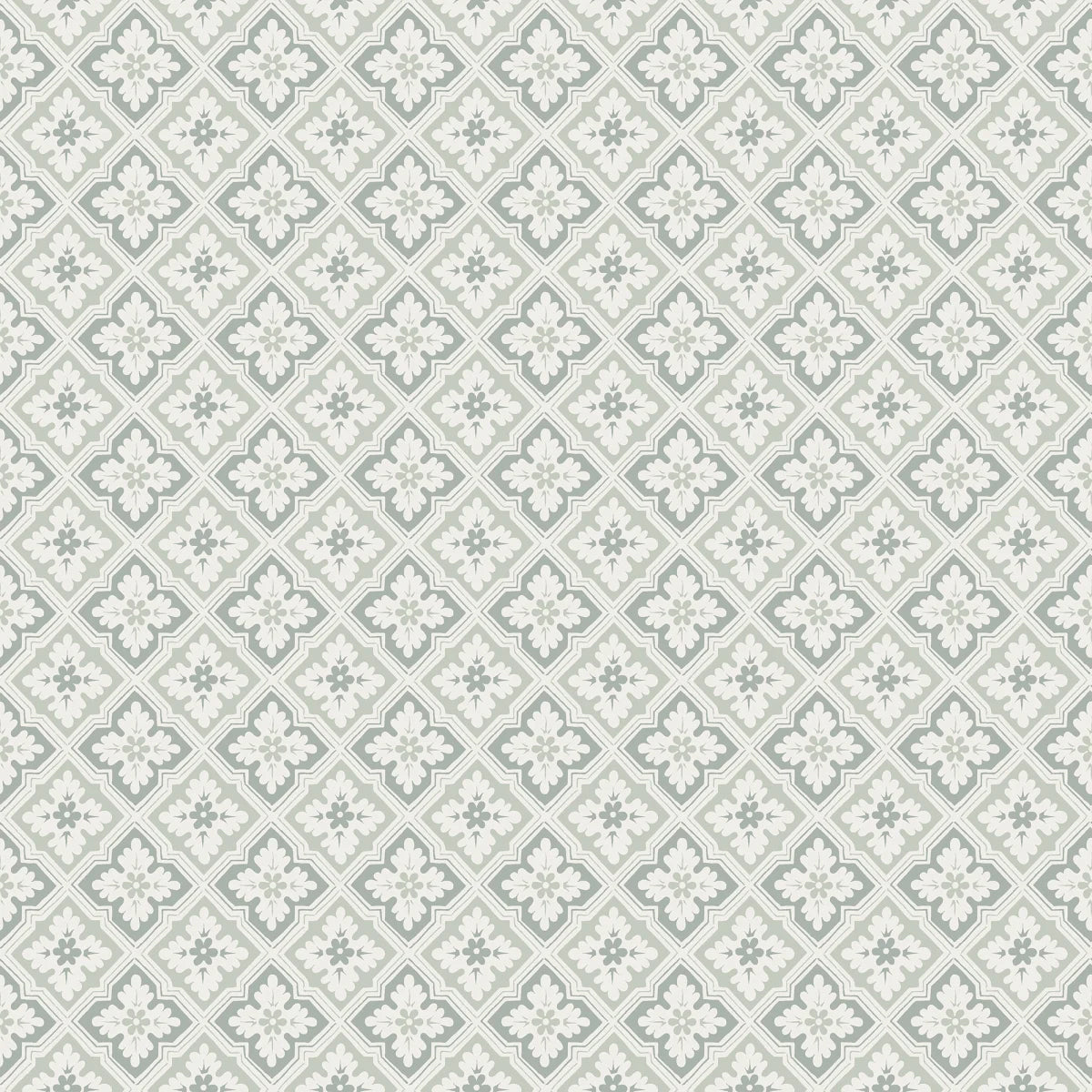









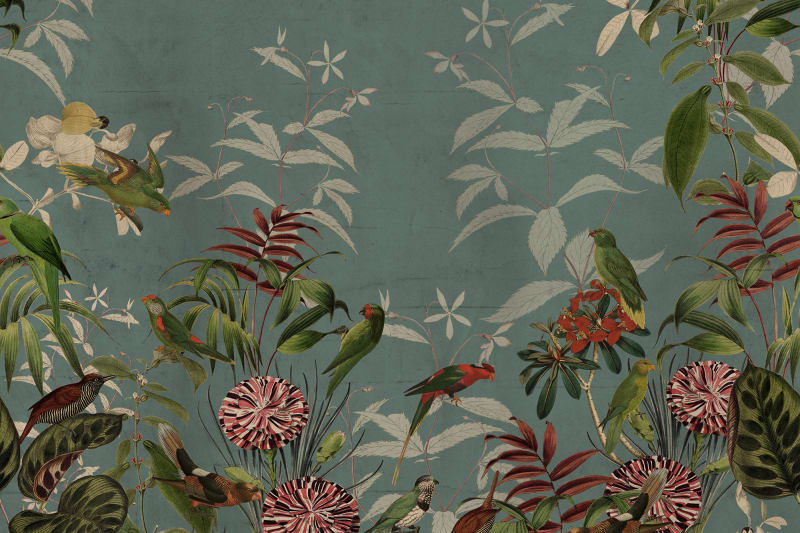
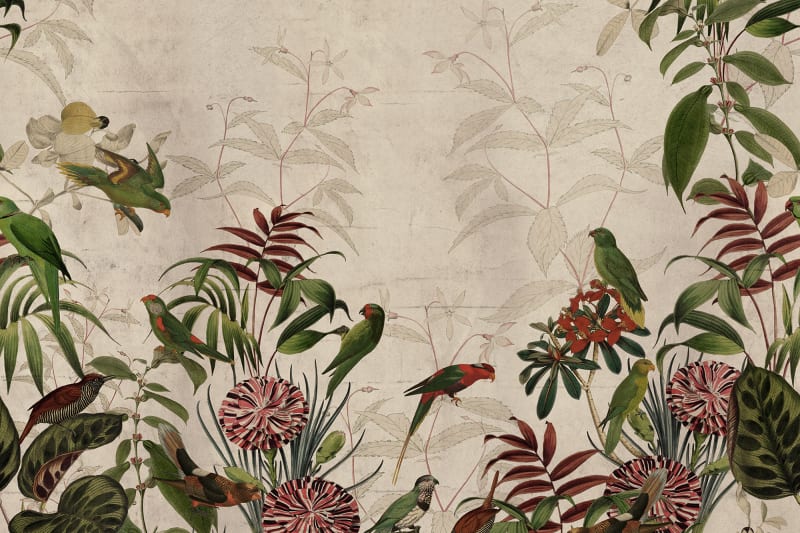







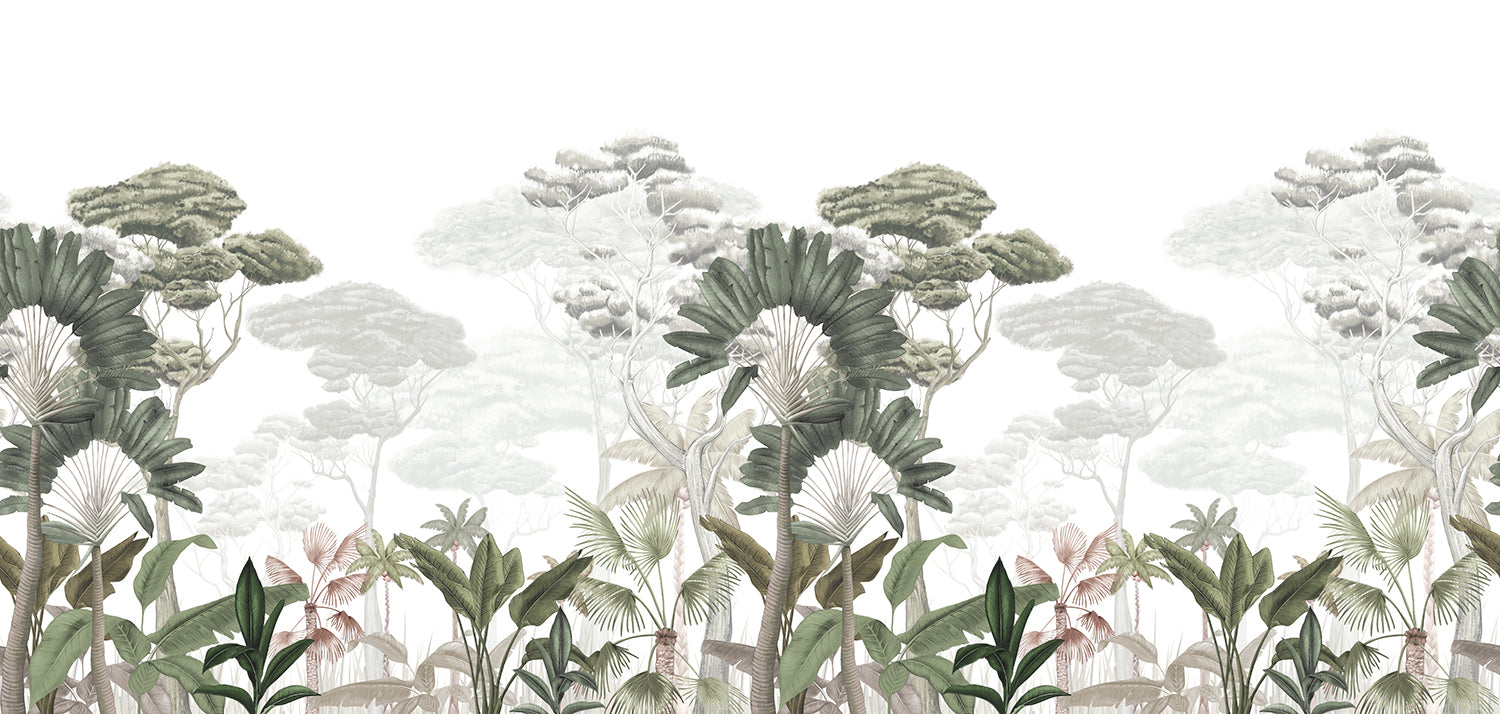
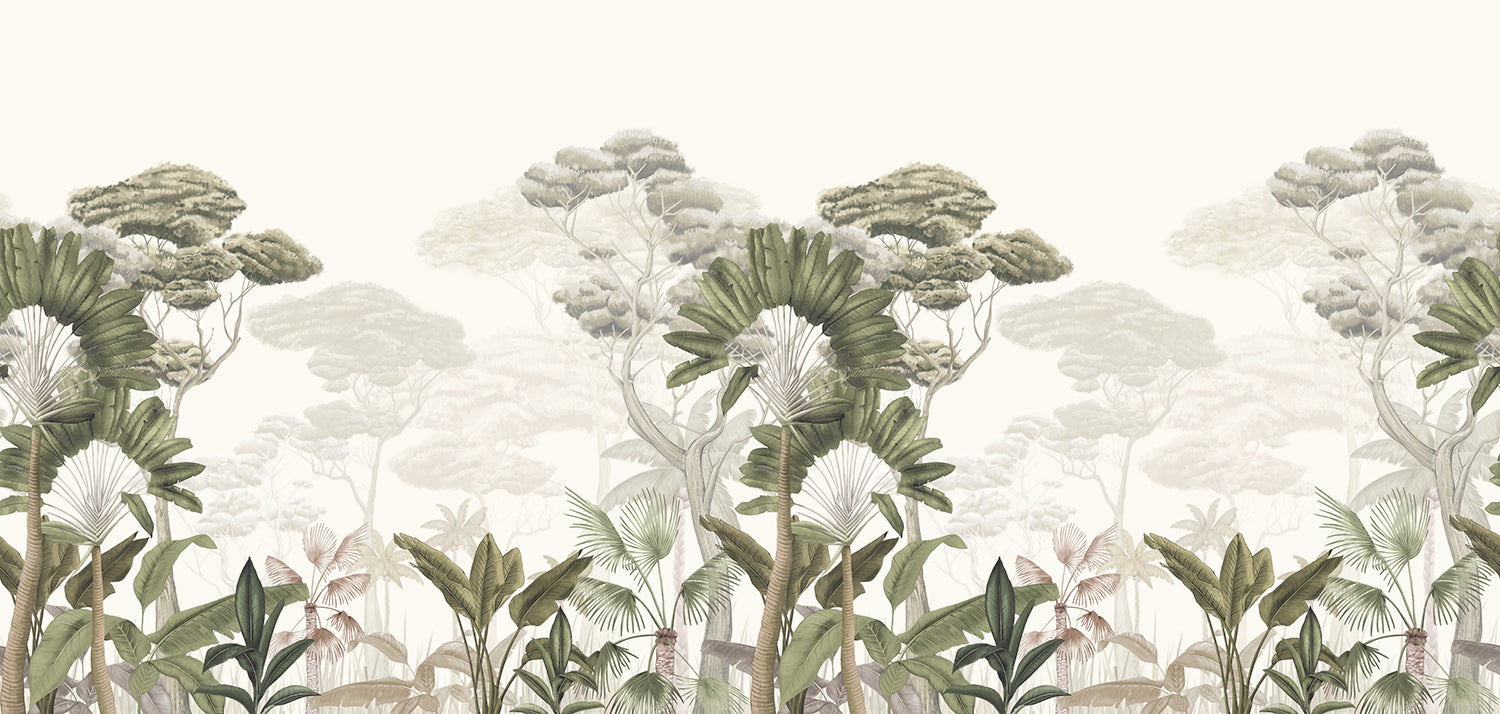
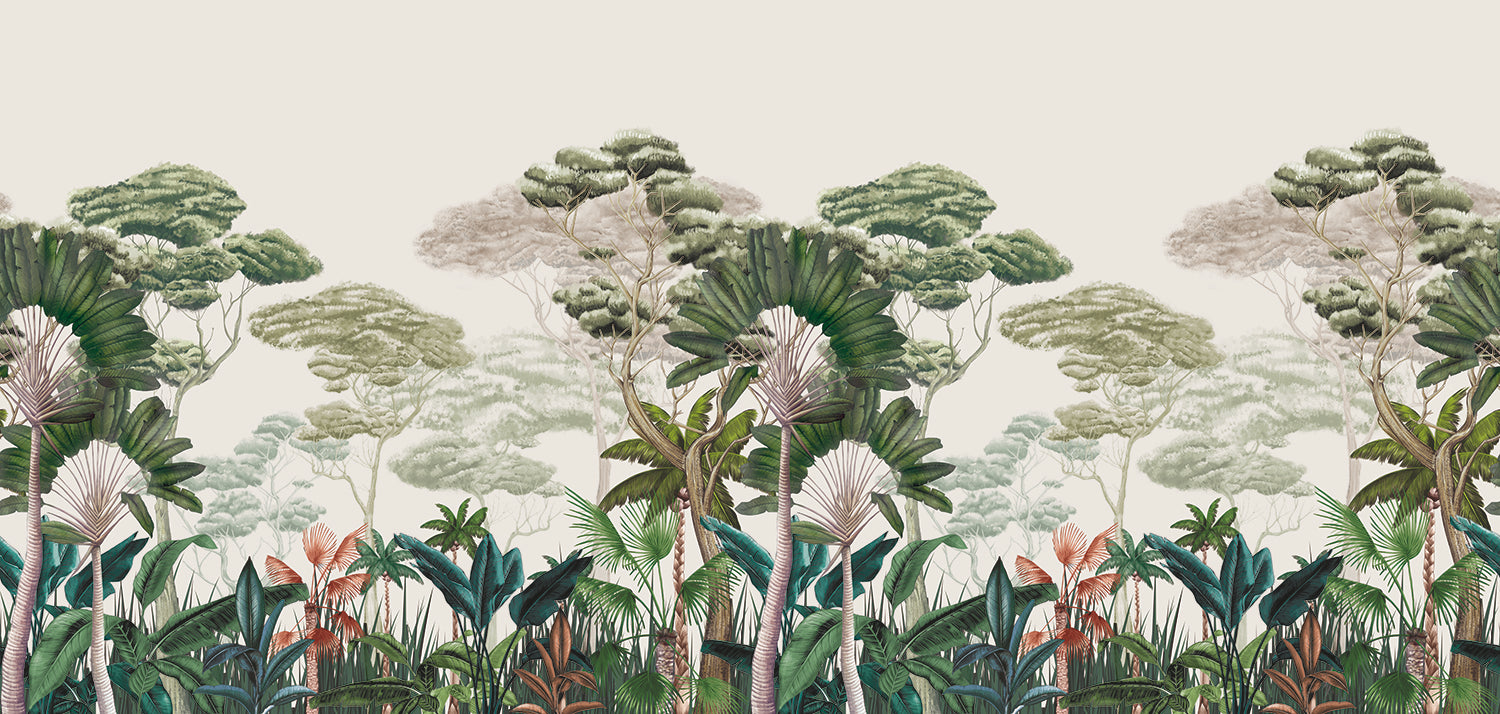
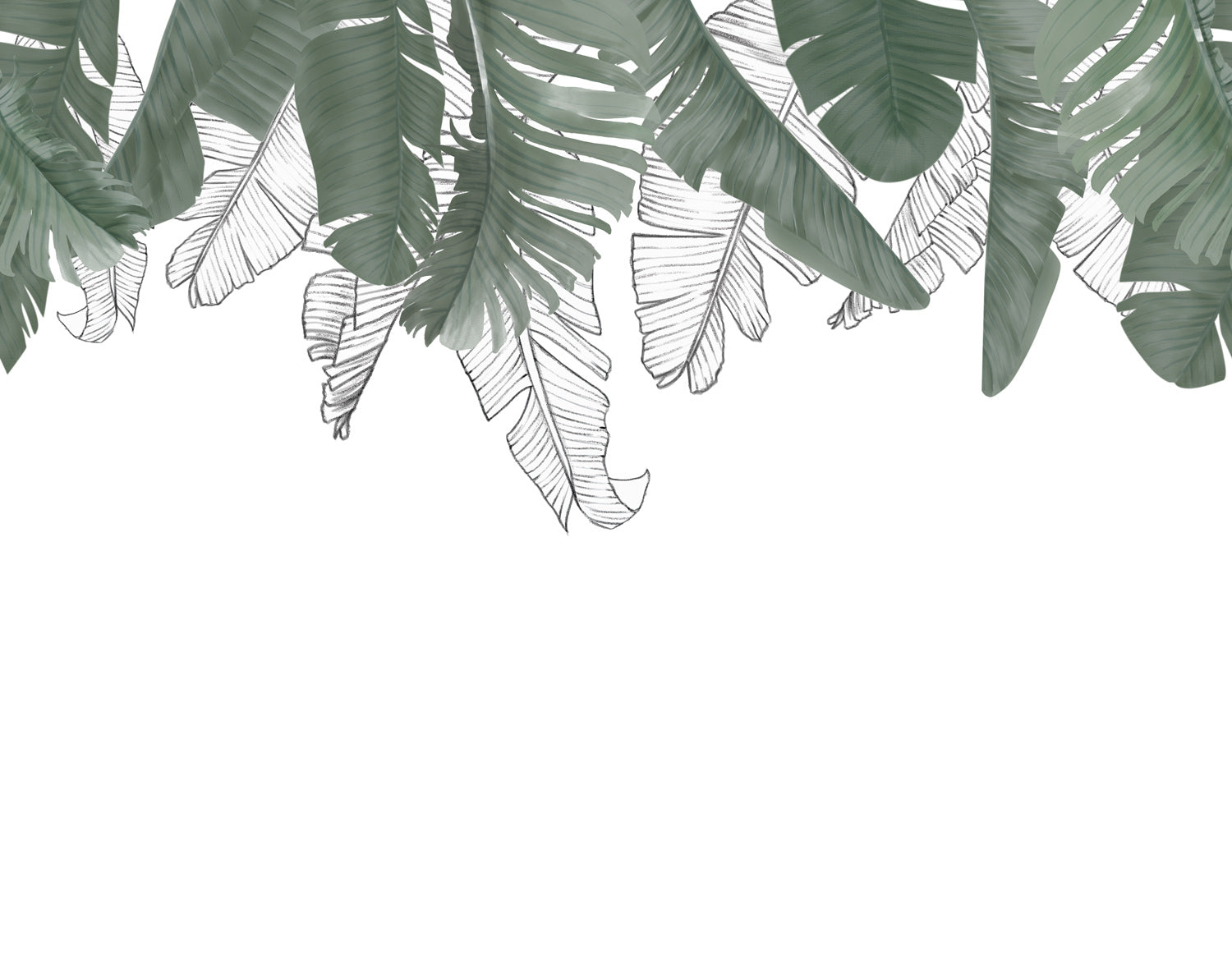
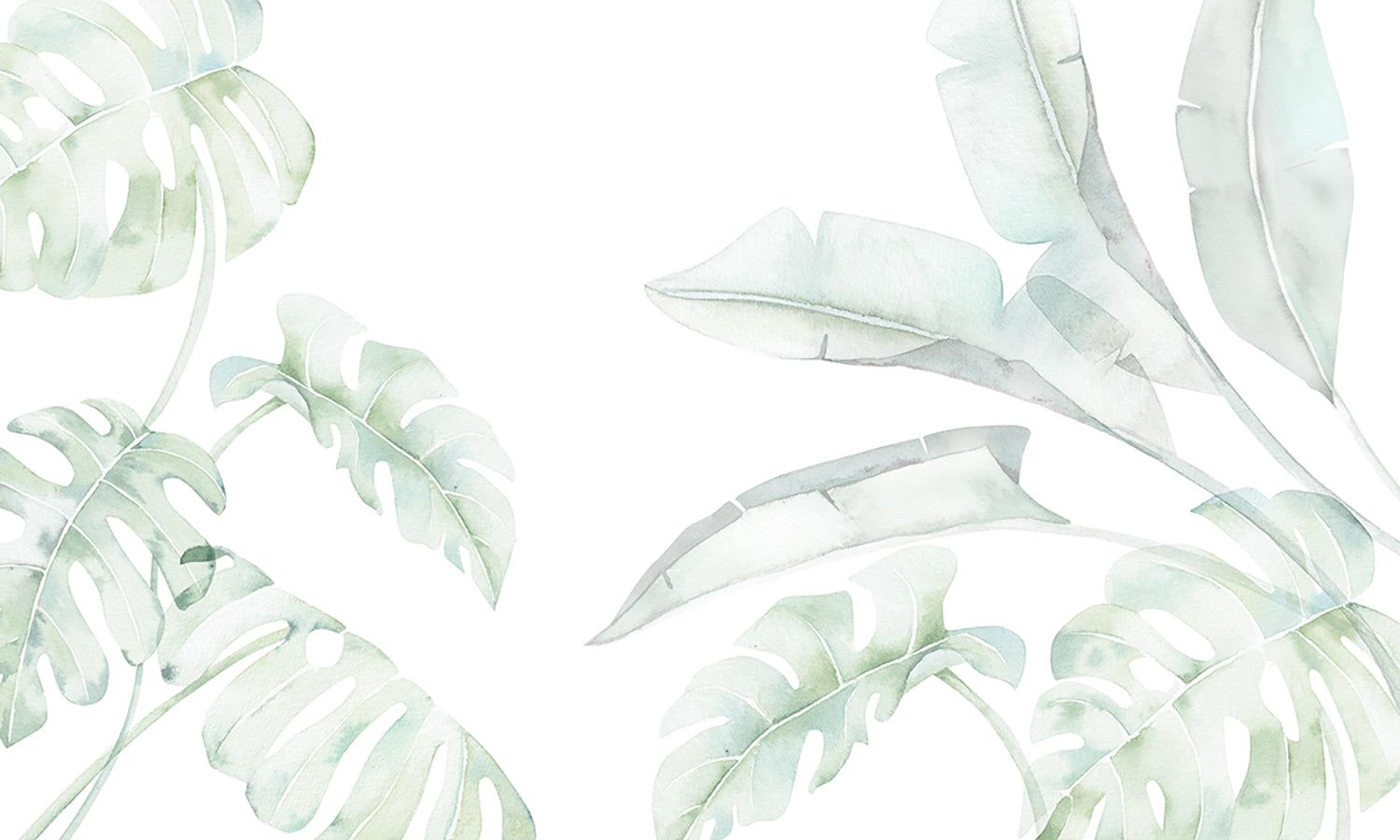


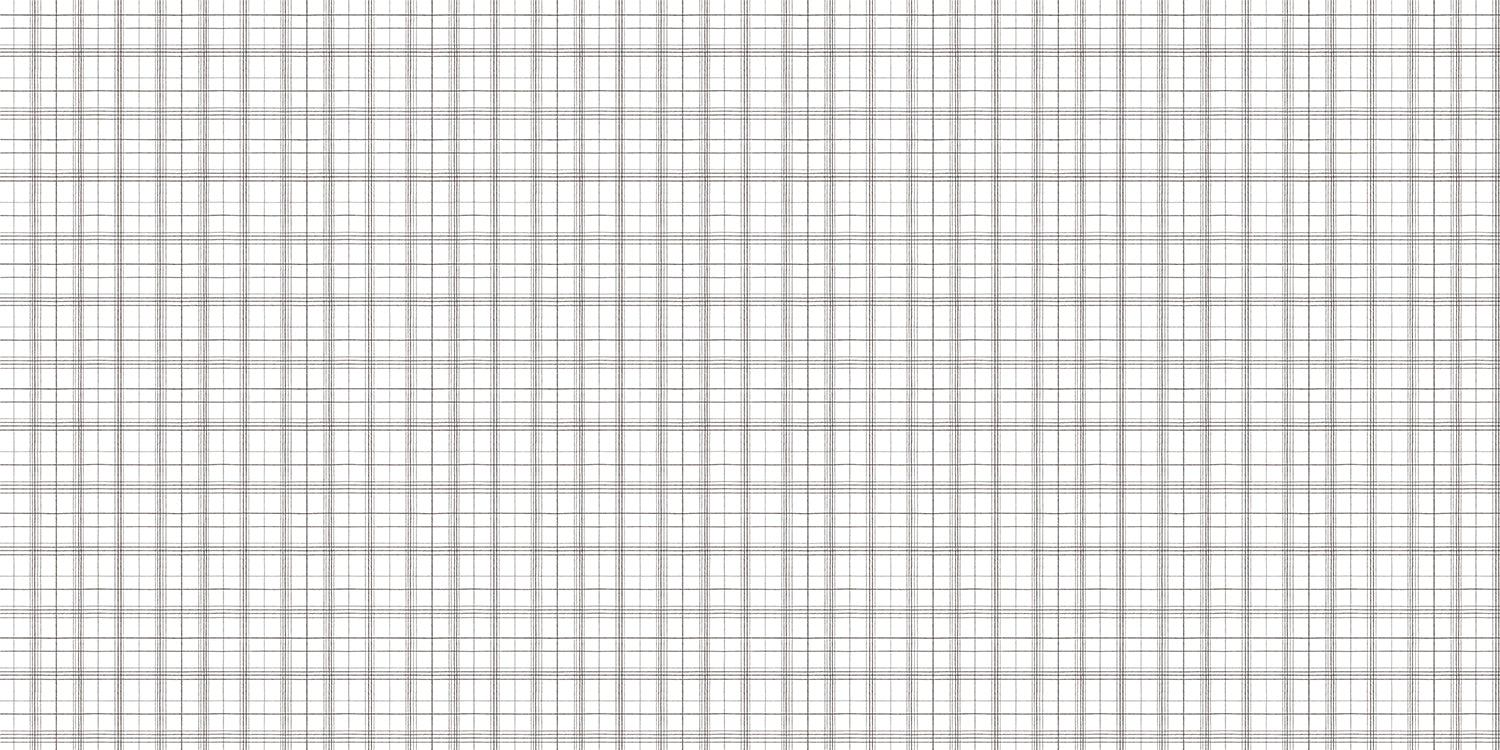
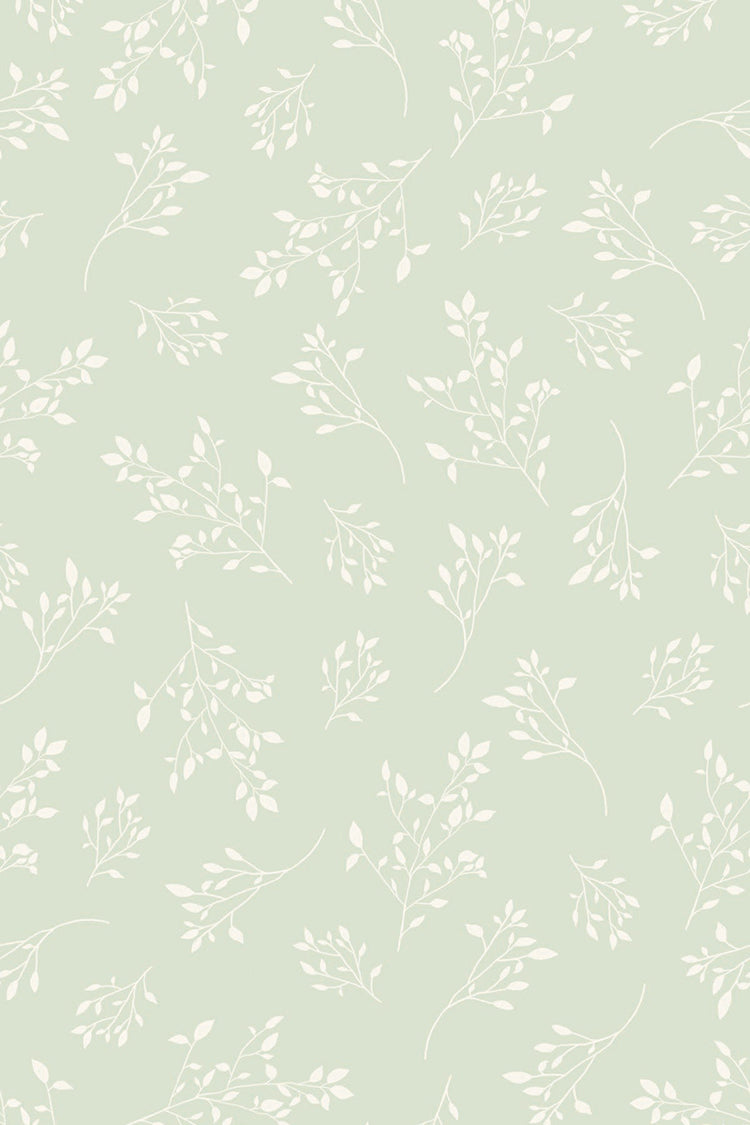
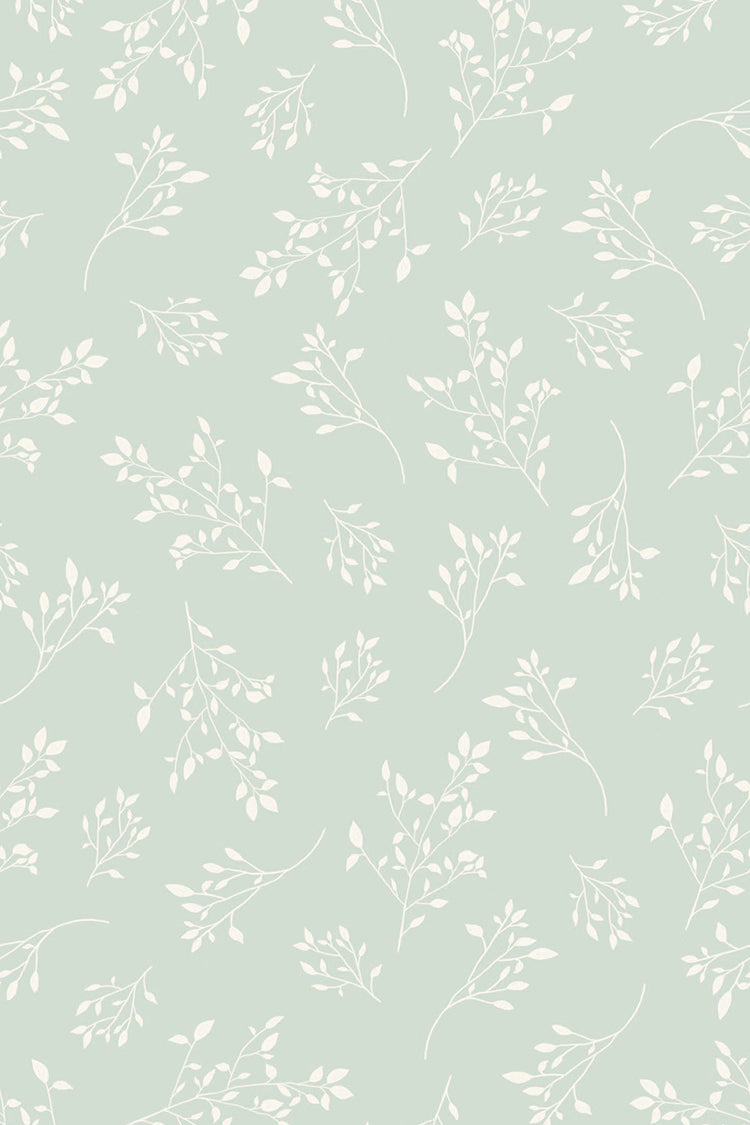
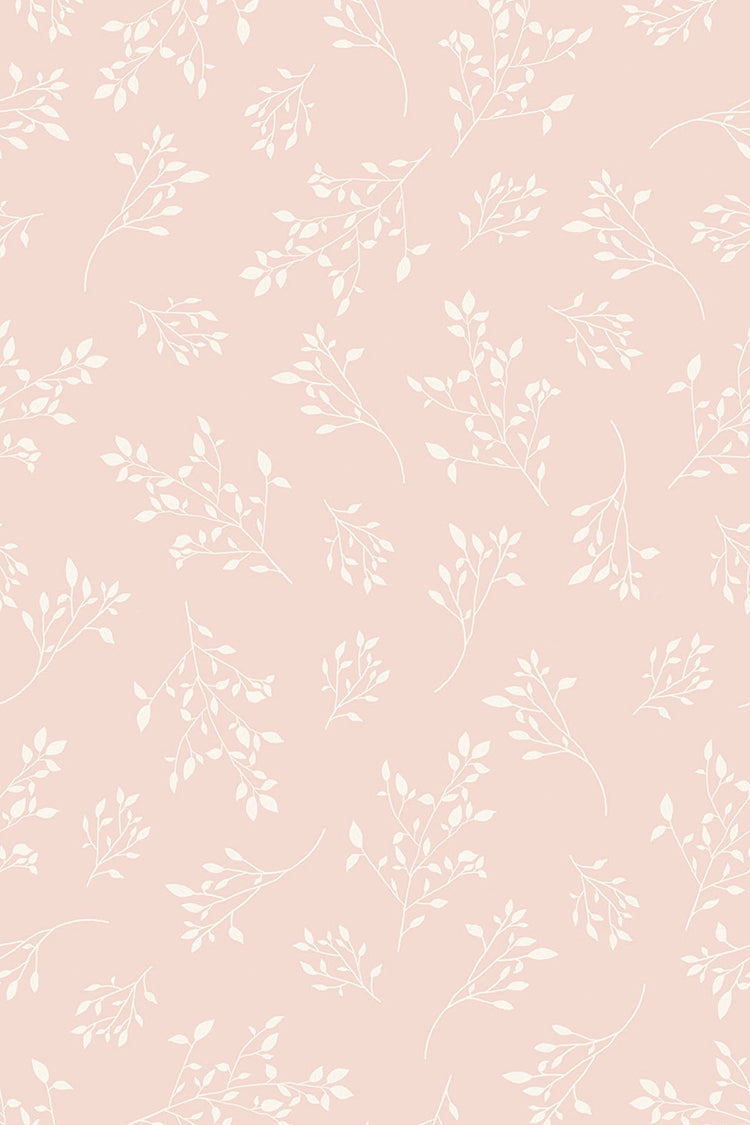
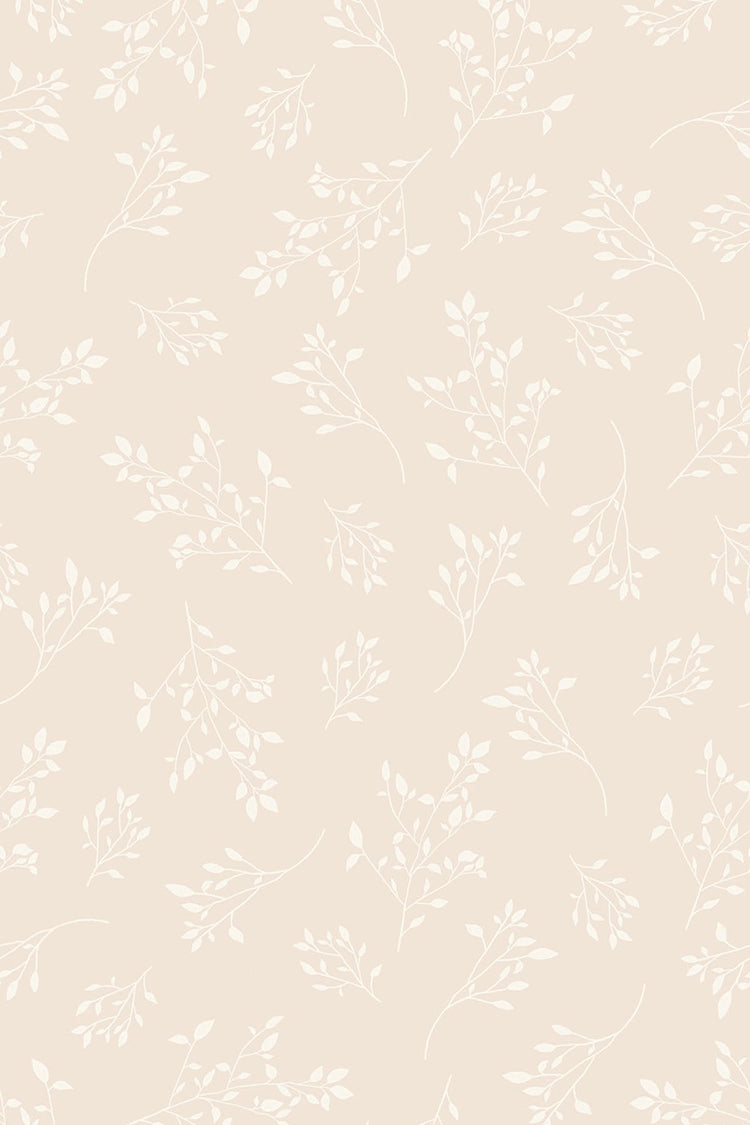
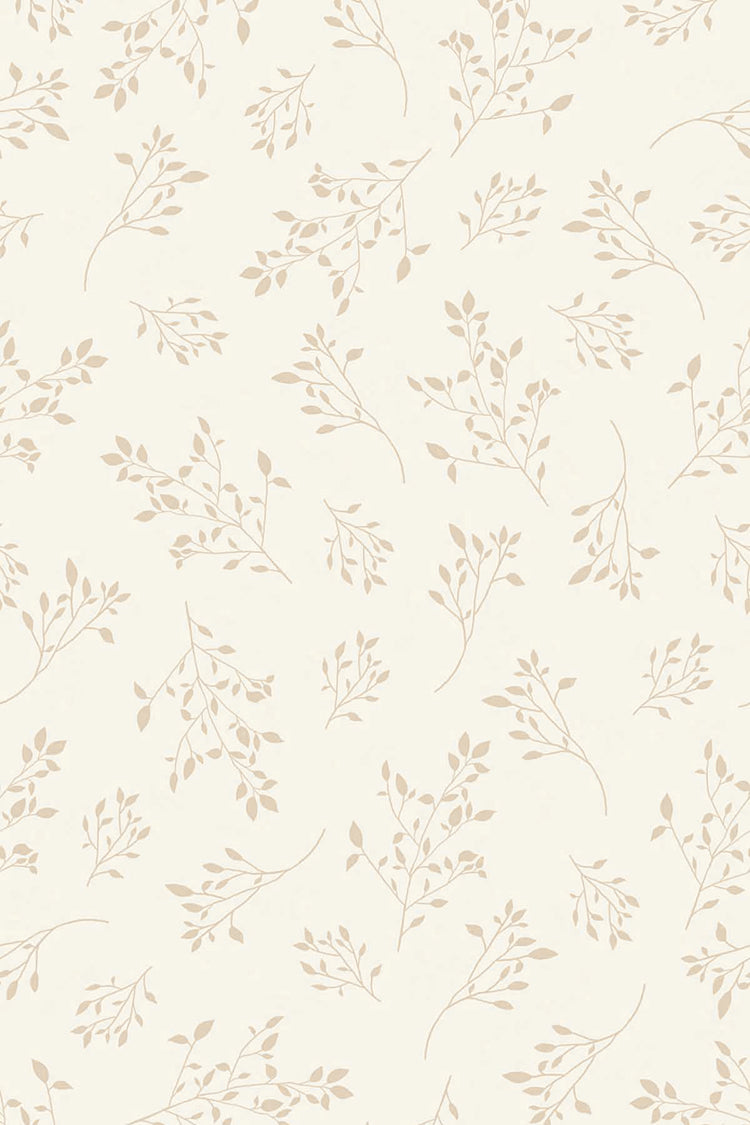


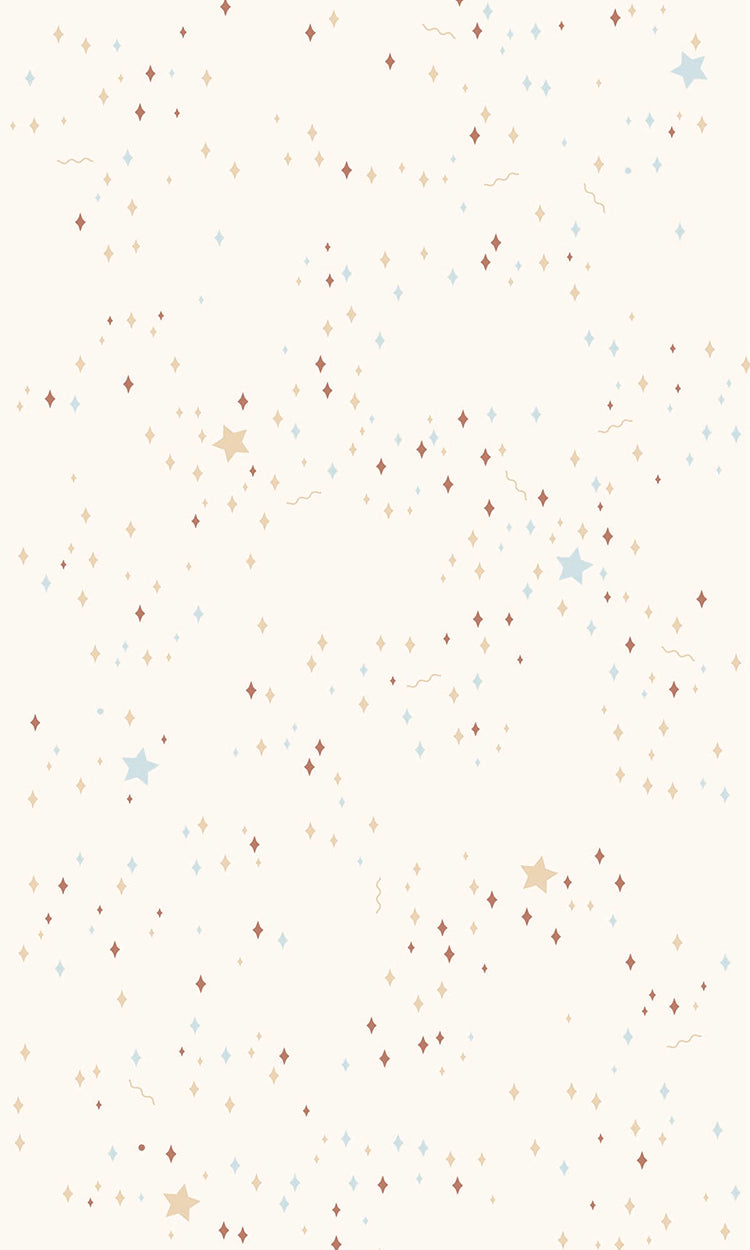





Peel and Stick Wallpaper for Easy, Stylish Home Transformations
Peel and stick wallpaper offers a simple and convenient way to refresh your walls without the need for paste or professional installation. Designed for modern homes, rental properties, and temporary decorating projects, our collection of peel and stick wallpapers is suitable for bedrooms, living rooms, nurseries, home offices, entryways, and feature walls. The material is washable, wipeable, and UV-resistant, helping it maintain its appearance in everyday living environments.
Available in a wide range of styles, colours, and patterns, peel and stick wallpaper makes it easy to personalise your space with minimal effort. Whether you're creating a cosy bedroom, adding character to a living room, styling a nursery, or upgrading a home office backdrop, these removable wallpapers offer a flexible decorating solution. Ideal for renters and homeowners alike, peel and stick wallpaper allows you to achieve a high-impact transformation without the long-term commitment of traditional wallpaper.
What is peel and stick wallpaper?
Peel and stick wallpaper is a self-adhesive, removable wall covering that you can install without paste or professional tools. Each panel has a low-tack adhesive backing; you simply peel off the liner and stick it to a smooth, prepared wall. Our peel and stick wallpaper is PVC-free, printed with GreenGuard Gold certified inks, and finished in a satin-matte surface that looks and feels like premium wallpaper.
What rooms are best suited for peel and stick wallpapers?
One of the biggest advantages of peel and stick wallpaper is its versatility. Easy to install and remove, it works beautifully in both permanent homes and rental properties, making it a popular choice for a wide range of spaces.
Some of the best rooms for peel and stick wallpaper include:
-
Living Room: Create a feature wall that adds colour, pattern, and personality without the commitment of traditional wallpaper.
-
Bedroom: Add warmth and character with calming patterns, scenic murals, or subtle textures behind the bed.
-
Dining Room: Introduce texture, colour, or artistic patterns to create a more inviting atmosphere for everyday meals and entertaining.
-
Powder Room: Small spaces are perfect for experimenting with bold prints, dramatic murals, or statement designs.
-
Home Office: Brighten your workday with a refreshing design that sparks creativity.
-
Children's Room or Nursery: Peel and stick wallpaper makes it easy to update a child's room as their tastes and interests evolve over time.
-
Entryway or Hallway: Make a memorable first impression and bring character to transitional spaces that are often overlooked.
Whether you're decorating a single accent wall or refreshing an entire room, peel and stick wallpaper offers a flexible and stylish way to transform your space with minimal effort.
Is peel and stick wallpaper really removable?
Yes, peel and stick wallpaper is designed to be removable when applied to suitable surfaces and installed according to the instructions. On smooth, properly painted walls (especially eggshell, satin or semi‑gloss), it can usually be peeled off in full panels with minimal residue or damage. As with other leading brands, we recommend testing a small area first and avoiding fragile or flaking paint finishes.
Is peel and stick wallpaper safe and eco‑friendly?
Our peel and stick wallpaper is PVC‑free and printed with GreenGuard Gold certified inks, aligning with leading wallpaper brands that use FSC or low‑VOC materials for more sustainable interiors. The material is 130 g/m² with a 0.15 mm thickness and has a European fire classification of CS1‑D0, offering a balance of safety, durability and environmental responsibility.
Can I use peel and stick wallpaper in bathrooms or kitchens?
Peel and stick wallpaper can handle everyday wear and light moisture thanks to its washable and wipeable surface. However, it is generally not recommended for areas with significant temperature fluctuations, high humidity, or constant exposure to steam and moisture.
If you're considering peel and stick wallpaper for a bathroom or kitchen, we recommend installing it on walls that are away from direct water contact, heavy condensation, or cooking grease. For example, it may work well on a feature wall in a powder room or a dining nook within the kitchen, but it is not suitable for shower enclosures, splash zones, or areas directly behind a stovetop.
Because environmental conditions vary from home to home, we always recommend testing with a wallpaper sample first. Applying a sample to your intended wall allows you to assess adhesion and performance before committing to a larger installation.
For bathrooms with higher humidity levels or commercial spaces, consider our Heavy Duty Textured Vinyl wallpaper, which offers enhanced moisture resistance and durability.
What surfaces work best for peel and stick wallpaper?
Peel and stick wallpaper works best on smooth, clean, dry and well‑primed walls. Matte, eggshell, satin and semi‑gloss painted walls are generally suitable, provided paint has fully cured.
We do not recommend applying peel and stick wallpaper on textured walls, rough plaster, high‑gloss finishes or ceilings, as adhesion and removability may be compromised.
Does peel and stick wallpaper work on textured walls?
In most cases, peel and stick wallpaper works best on smooth, clean, and properly prepared walls. Heavily textured surfaces can prevent the adhesive from making full contact with the wall, which may affect how well the wallpaper adheres over time.
Lightly textured walls may sometimes be suitable, but results can vary depending on the depth and type of texture. Surfaces with prominent bumps, orange peel finishes, knockdown textures, exposed brick, or heavily textured plaster are generally not recommended.
If you're considering installing peel and stick wallpaper on a textured wall, we strongly recommend ordering a sample first. Applying a sample to your intended wall allows you to test adhesion and assess whether the texture shows through the wallpaper before committing to a full installation.
For the best results, peel and stick wallpaper should be applied to:
- Smooth, painted walls
- Clean and dry surfaces
- Fully cured paint (typically at least 30 days after painting)
- Walls free from dust, grease, and loose paint
Testing a sample first is the easiest way to determine whether your wall surface is suitable and to ensure you're happy with the final look.
Can you put peel and stick wallpaper over existing wallpaper?
While it may be possible in some situations, we generally do not recommend installing peel and stick wallpaper over existing wallpaper.
For the best adhesion and finish, peel and stick wallpaper should be applied to a smooth, clean, stable surface. Existing wallpaper can introduce challenges such as seams, texture, peeling edges, or loose adhesive, which may show through the new wallpaper or affect how well it sticks over time.
If you are considering wallpapering over an existing wallcovering:
- Ensure the existing wallpaper is firmly adhered to the wall with no lifting seams or peeling corners.
- The surface should be smooth and free from texture, bubbles, or damage.
- Clean the wallpaper thoroughly to remove dust, grease, and residue.
- Avoid installing over heavily textured, embossed, or fabric-backed wallpapers.
Because every wall condition is different, we strongly recommend testing with a sample first. Applying a sample to the existing wallpaper will help you assess adhesion and determine whether the underlying texture or seams are visible.
For the most reliable and long-lasting result, installing peel and stick wallpaper directly onto a smooth, properly prepared wall is always the preferred option.
How do I prepare the wall for peel and stick wallpaper?
Proper wall preparation is one of the most important steps for a successful peel and stick wallpaper installation. A clean, smooth, and fully cured surface helps the wallpaper adhere properly and remain in place over time.
Before installing your wallpaper:
- Clean the wall thoroughly to remove dust, dirt, grease, and residue. A mild soap solution is usually sufficient.
- Allow the wall to dry completely before application.
- Repair any imperfections such as holes, cracks, or peeling paint, then sand the surface smooth if needed.
- Ensure the wall is smooth and non-textured, as heavily textured surfaces can affect adhesion.
- Wait for fresh paint to cure fully before installation. Newly painted walls should typically cure for at least 30 days, depending on the paint manufacturer's recommendations.
- Avoid installing on damp or humid surfaces, as moisture can impact the adhesive's performance.
If you're unsure whether your wall is suitable, we recommend ordering a sample first and testing it on the intended surface. This allows you to check adhesion and ensure you're happy with the look before proceeding with a full installation.
Taking a little extra time to prepare your walls will help ensure a smoother installation and the best possible finish for your peel and stick wallpaper.
How do I install peel and stick wallpaper?
To install peel and stick wallpaper, start with a smooth, clean, fully dry wall, then mark a straight vertical line as your guide. Gently peel back the backing at the top of the panel, align it to your line, and smooth it down as you continue peeling, working from the centre outwards to remove bubbles. Trim any excess at the ceiling, skirting and around outlets with a sharp knife.
For step-by-step guide, please head over to "How to Hang Peel and Stick Wallpaper" for more details.
Do you offer peel and stick wallpaper samples?
Yes, Hello Circus offers peel and stick wallpaper samples so you can review the colour, scale, texture and finish before ordering wallpaper for your full wall.
Samples are optional and are available in Peel and Stick Wallpaper, Non-Woven Matte Wallpaper or Commercial Heavy-Duty Vinyl Wallpaper. Place the sample on your wall and view it at different times of day to see how natural and artificial light affect the design. It is also helpful to compare the sample with your flooring, furniture and existing décor.
Once you are ready to order, enter your wall dimensions so your wallpaper can be made to order and customised to fit your space.
How much does peel and stick wallpaper cost?
Our peel and stick wallpapers are made to order based on your specific wall dimensions. The cost therefore varies depending on:
- Wall size (width and height)
- Chosen wallpaper design
To receive an accurate quote, simply select your preferred wallpaper design and enter your wall measurements on the product page.
Is peel and stick wallpaper suitable for rental apartments?
Yes, peel and stick wallpaper is suitable for many rental apartments because it is removable, quick to install and does not require wallpaper paste. It is a practical choice for renters who want to personalise a room without making a permanent change.
For the best results, apply peel and stick wallpaper to a clean, smooth, dry and properly painted wall. Avoid textured, damp, damaged or freshly painted surfaces, as these may reduce adhesion or increase the risk of paint lifting during removal.
Always check your tenancy agreement and test a wallpaper sample in an inconspicuous area before installation. When removing the wallpaper, peel it back slowly at a low angle to help protect the wall surface.



