
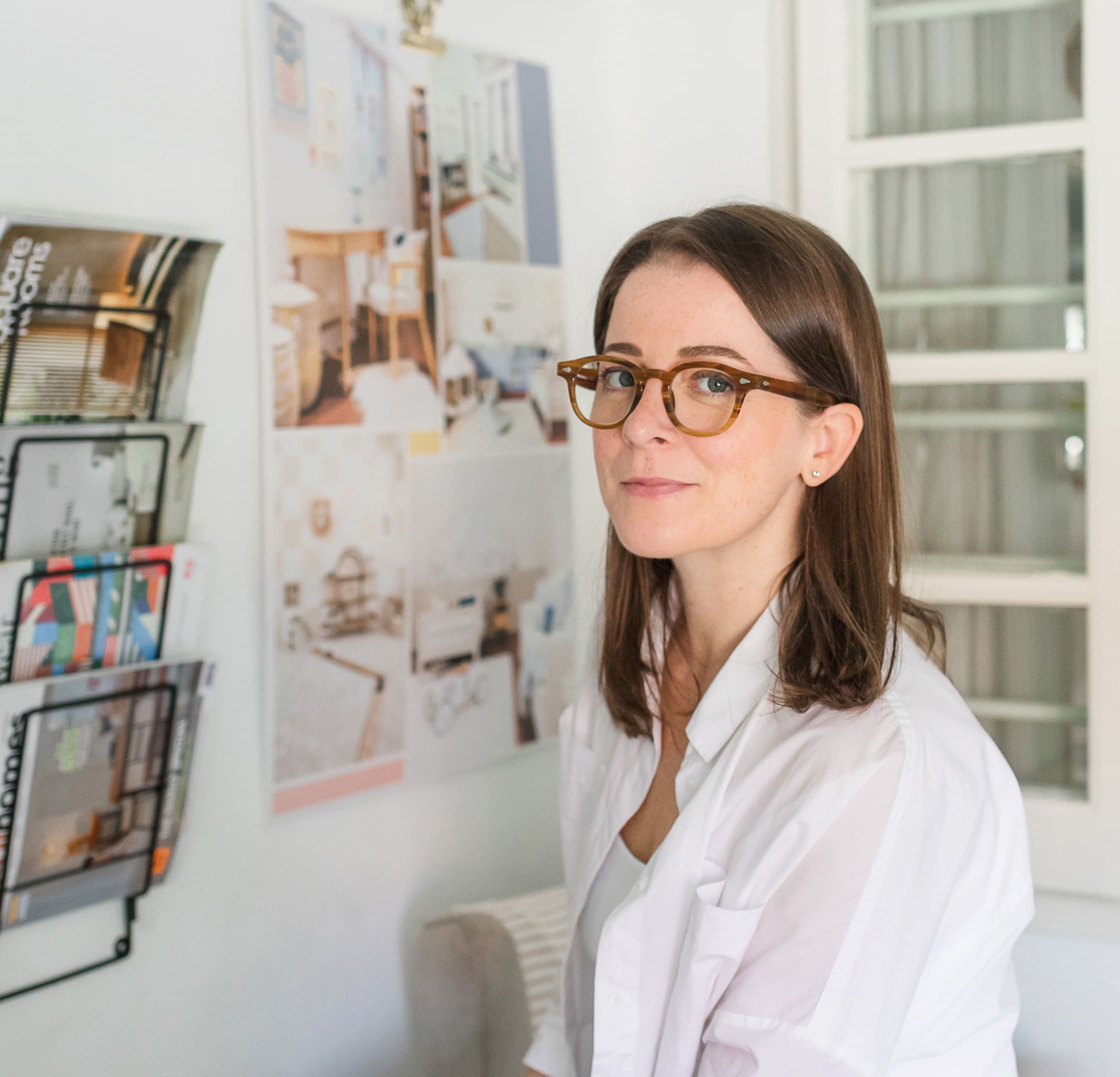
Designing a child’s room is more than just picking cute furniture—it’s about creating a space that feels joyful, practical, and full of possibility. That’s why we’re so excited to spotlight Samantha from Hey Montgomery, an interior designer who specialises in children’s spaces. Known for her thoughtful, timeless approach, Samantha shares her top tips for making the most of small rooms, choosing wallpaper that grows with your child, and her favourite go-to brands for kids’ furniture and decor.
For homes with limited space, what are your top design tips for effectively combining a functional bedroom with a playful area in one room?
In small spaces, it’s all about effective zoning and smart use of storage. By first focusing on functionality and then layering in creativity and organisation, you can seamlessly transform a small kid's room into a playful and practical space. Here are some ideas for small spaces:
1. Opt for multi-functional furniture
Choose furniture that serves several purposes, such as a bed with built-in storage or a desk that doubles as a play surface.
2. Use rugs or shelving for zoning
Separate the sleeping area from the play zone by using rugs, shelving units, or curtains. This creates clearly defined spaces without the need for walls.
3. Maximise vertical space
Make the most of vertical space by installing wall-mounted shelves for books, toys, or decorative items, keeping the floor space open for play.
4. Foldable or stackable furniture
Choose foldable or stackable furniture that can be easily stored when not in use. For example, a foldable table can be used for arts and crafts but tucked away against a wall to create more room for play.
5. Under-bed storage and play area
Make use of under-bed storage to keep toys tidy or design a pull-out drawer beneath the bed that can double as a hidden play area or toy box.
6. Light colours and mirrors
Light, neutral colours and mirrors can help make a small room feel larger, giving the impression of more space for both rest and play.
You often use wallpaper in your projects—how do you choose one that grows with a child over time?
I have always loved wallpaper, and as a child, I enjoyed selecting it for my own bedrooms, so it’s something that has stayed with me over the years. I believe wallpaper adds an extra layer of depth to a room.
When designing children’s spaces, I prefer to choose classic patterns that can last for many years. I advise against picking wallpaper based on a child’s current favourite theme, as their interests often change quickly. It’s better to opt for something simple and timeless.
What are your top 3 favourite brands for kids' furniture and decor, and why do you love them?
Nobodinoz (Nobody Knows)
I’m absolutely obsessed with their soft furnishings for children’s spaces. Their products are modern yet timeless, making them versatile enough to work in various rooms, not just children’s areas.
They’ve recently introduced a repurposing and recycling option for used goods, which I love—it’s great to see them thinking ahead and helping parents recycle children’s homeware.

Image credit: Nobodinoz
Quax
Quax’s furniture, with its clean lines, is a favourite of mine. The quality of the wood and the practical designs are major highlights. I especially love their cots that can transition as your child grows—This not only helps reduce waste but also allows the furniture to be used for a longer period before your child moves to a single bed for the rest of their childhood.

Image credit: Quax
Liewood
Liewood offers a fantastic range of products, from toy storage to décor and bedding. Adding just a few of their items to a space instantly brightens it up, bringing a modern and playful vibe.

Image credit: Liewood
Small Spaces, Big Possibilities
Samantha’s tips remind us that even the smallest spaces can become magical with a bit of creativity and the right design choices. From clever zoning to timeless wallpaper, designing a child’s room can be both functional and full of wonder.
Looking to bring your own kids' space to life? Explore our kids wallpaper collection for playful, design-forward options that grow with your child—just like Samantha recommends.



